 Armenian
 German
 Spanish
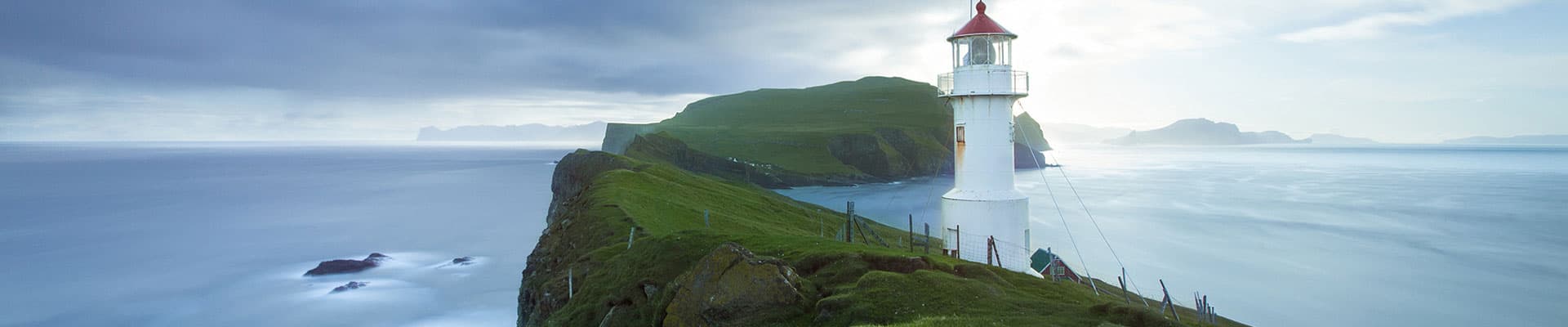
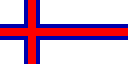
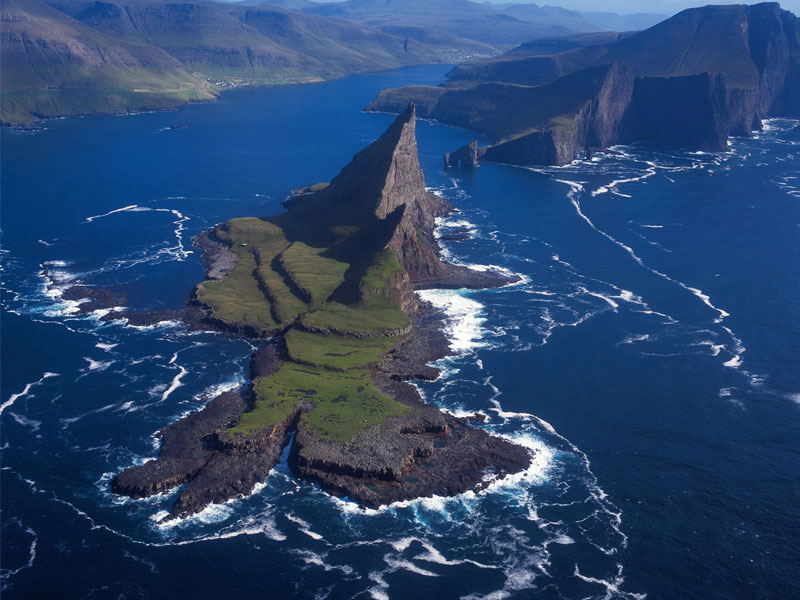
Far out in the North Atlantic Ocean, between Scotland, Iceland, and Norway, lies one of Europe’s most extraordinary landscapes — the Faroe Islands. This small archipelago of 18 volcanic islands rises dramatically from the ocean with cliffs, deep fjords, and windswept green hills that seem to fall directly into the sea.
The Faroe Islands belong to the Kingdom of Denmark, yet their culture, language, and identity are distinct. The Faroese language, traditions, and maritime way of life have developed over centuries in relative isolation. For travellers seeking destinations that feel untouched, raw, and profoundly connected to nature, the Faroe Islands offer an experience unlike anywhere else in Europe.
In many ways, visiting the Faroes feels less like travelling through a country and more like stepping into a different world.
Landscapes Shaped by Wind and Ocean
Nature defines life in the Faroe Islands. Towering sea cliffs rise hundreds of meters above the Atlantic, waterfalls cascade from high plateaus directly into the ocean, and narrow valleys shelter small villages where colourful houses cluster around natural harbours. The islands are volcanic in origin, formed millions of years ago by powerful geological forces. Over time, glaciers and ocean winds sculpted the landscape into the dramatic shapes seen today.
Sheep outnumber people on the islands, grazing across hills that appear almost impossibly green against the grey-blue ocean.
The weather is famously unpredictable — clouds, sunlight, mist, and rain often pass across the landscape within the same hour, creating constantly changing scenery.
For photographers and nature lovers, the Faroe Islands are nothing short of spectacular.
A Culture Rooted in the Sea
Despite their remote location, the Faroese have built a strong and resilient culture.
Fishing has long been the backbone of the islands’ economy and remains an essential part of daily life. Small harbours are filled with fishing boats, and seafood plays a central role in Faroese cuisine.
Traditional Faroese culture also includes unique music, storytelling traditions, and community gatherings that reflect the islands’ deep sense of identity.
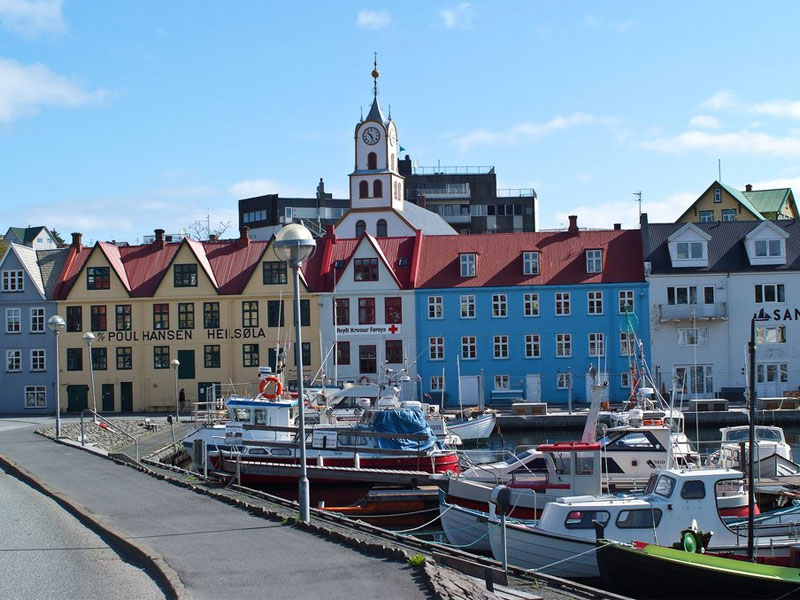
Tórshavn, the capital and one of the smallest capitals in Europe, serves as the cultural and political centre of the archipelago. Its historic harbour district, Tinganes, features colourful wooden buildings that have housed Faroese government institutions for centuries.
Even in modern times, the Faroese maintain a strong connection to their traditions while embracing contemporary Scandinavian design and culture.
Wildlife and Natural Wonders
The Faroe Islands are one of the most remarkable birdwatching destinations in Europe. During the summer months, towering cliffs become home to vast colonies of seabirds, including puffins, guillemots, and gannets. The island of Mykines is especially famous for its puffin population.
The surrounding waters also attract whales and dolphins, making boat excursions a popular activity for visitors.
Several locations across the islands have become iconic natural sights:
- Kallur Lighthouse on Kalsoy Island, standing dramatically above cliffs
- Múlafossur Waterfall, plunging directly into the Atlantic near the village of Gásadalur
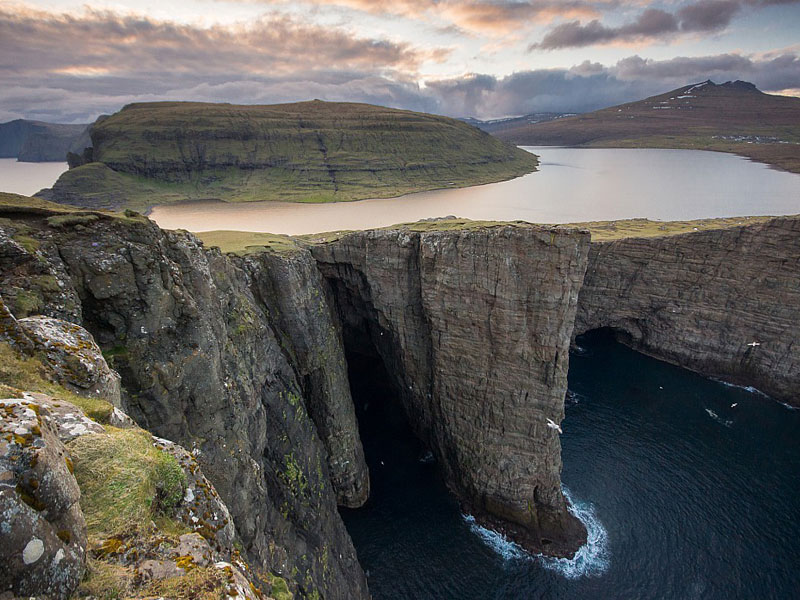
- Lake Sørvágsvatn, which appears to float above the ocean due to a unique optical illusion
Each island offers its own unique landscapes and perspectives of the Atlantic.
Life on the Edge of the Ocean
Travelling through the Faroe Islands means moving between islands via bridges, tunnels, ferries, and scenic coastal roads. Many villages remain small and peaceful, often with fewer than a few hundred residents. Colourful houses with grass roofs blend into the surrounding hillsides, reflecting centuries of architectural tradition.
Life here moves at a slower rhythm, shaped by the weather and the sea.
Despite their remote location, the Faroe Islands offer excellent infrastructure, modern accommodations, and a welcoming local culture.
Visitors often describe the islands not only as beautiful but also as deeply calming — a place where nature feels powerful, quiet, and timeless.
Magelline Perspective
In Magelline’s eyes, the Faroe Islands are a destination for travellers who seek something rare — landscapes that feel untouched, communities that remain deeply connected to their traditions, and a sense of isolation that has become increasingly difficult to find in the modern world.
Standing on the cliffs of the Faroes, watching waves crash far below and seabirds circle in the Atlantic winds, one feels the quiet power of a place shaped entirely by nature.
It is not simply a destination to visit — it is a place to experience the raw beauty of the North Atlantic.